A review published in Phytomedicine Plus examines the ethnopharmacological and pharmacological knowledge on ayahuasca, with attention to experimental evidence and safety aspects.
Scope of the review
The paper, titled “Ethnopharmacological and Pharmacological Insights into Ayahuasca: Experimental Evidence, Toxicological Perspectives, and Emerging Biomedical Applications”, discusses the experimental evidence on the beverage’s main compounds: the β-carbolines and N,N-dimethyltryptamine (DMT). For each group, pharmacological effects and toxicological aspects are addressed.
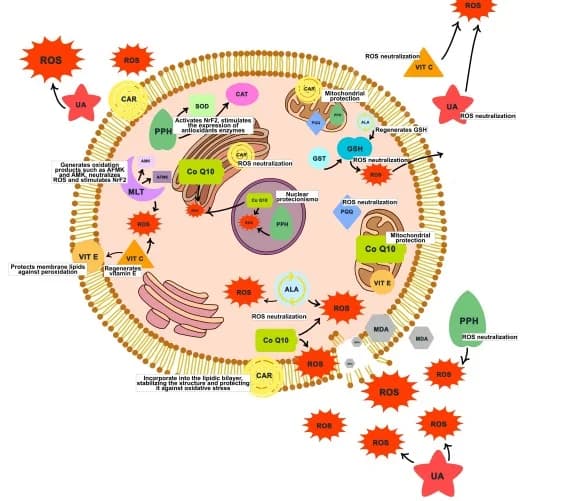
Topics explored include the neuroprotective, antioxidant and anti-inflammatory effects reported in experimental studies, as well as emerging perspectives at the interface with biomedicine and nanotechnology.
Pharmacological background
β-carbolines inhibit monoamine oxidase (MAO), which allows orally administered DMT to act on the central nervous system. This combination makes the preparation pharmacologically unique and also sensitive to interactions with other drugs, a central point for any safety assessment.
Why toxicology matters in this discussion
Biomedical interest in plant-derived compounds is growing, and so is the need to separate therapeutic signal from risk. The review contributes to a balanced discussion of benefits, limitations and risks, and reinforces that toxicological investigation is what allows mechanisms of action and safety to be understood before any application. It is a scientific review, not a recommendation for use.
The work included researchers linked to NexusBioTox’s collaboration network.
Reference: Phytomedicine Plus (2026). DOI: 10.1016/j.phyplu.2026.101046